What I've Been Building With AI
A look at the systems I've been building around AI, authorship, knowledge, editorial production, and real-world product utility
Over the last months, I have been working with AI in a way that interests me much more than most of the current conversation around it. Less as spectacle, less as a generic productivity shortcut, and more as infrastructure for thinking, organizing, and making. Instead of treating AI as a decorative feature, I have been using it to explore a more grounded question: where does computational intelligence genuinely expand human agency, and where does it simply create noise, friction, or a false sense of value?
The projects below are different in form and purpose, but they are connected by the same concern. I am interested in tools that help people think more clearly, create with more autonomy, and navigate complexity without flattening authorship.
Talvegue
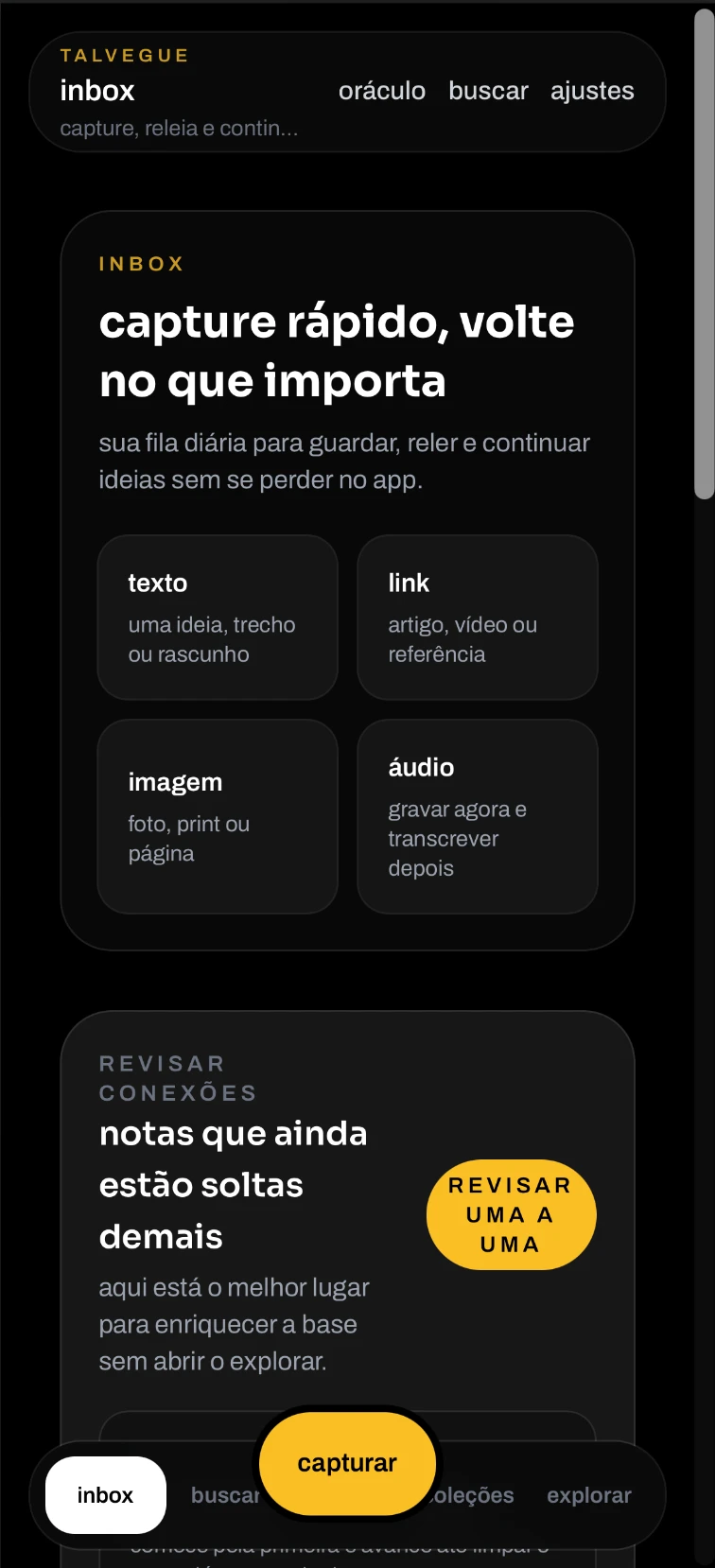
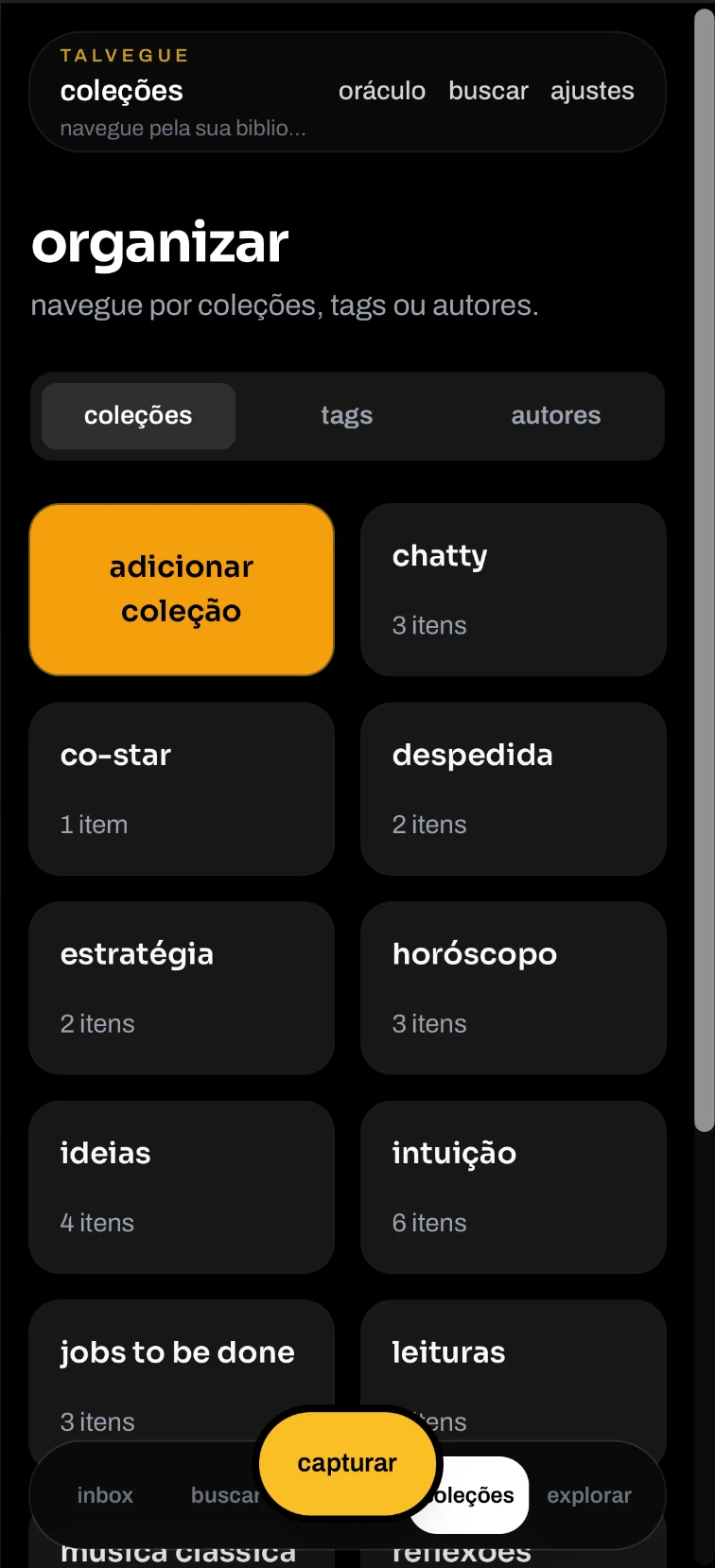
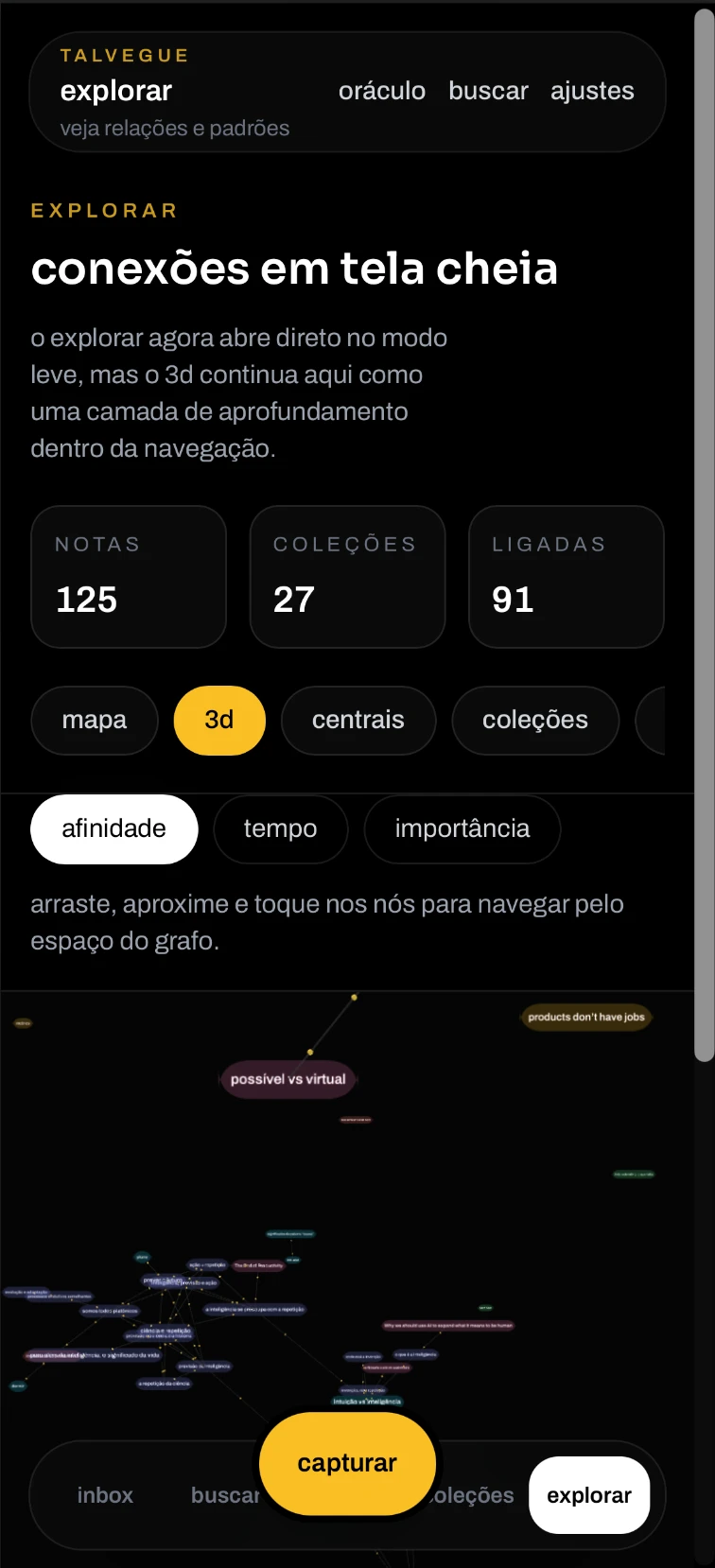
Talvegue is the project where this line of work becomes most explicit. It started as a kind of second brain, but gradually evolved into something closer to a living knowledge graph. The goal was never just to store notes, links, images, and audio, but to turn that material into a navigable body of knowledge.
In Talvegue, I used Gemini in the backend to summarize content, suggest tags and collections, extract transcripts from YouTube links and uploaded audio, generate contextual descriptions, and support a chat layer grounded in the user's own library. I also worked with embeddings and similarity logic to surface non-obvious connections between items. The result is not an "AI assistant" pasted on top of a notes app, but a system in which AI acts more like a quiet curator: helping make a personal archive more legible, connected, and searchable.
What matters to me most in Talvegue is that the intelligence does not replace thought. It helps structure it. The model can condense, transcribe, relate, and synthesize, but authorship remains in the acts of collecting, naming, selecting, and interpreting. In that sense, the project is less about asking a model abstract questions and more about building the conditions for better questions to exist in the first place.
Modula
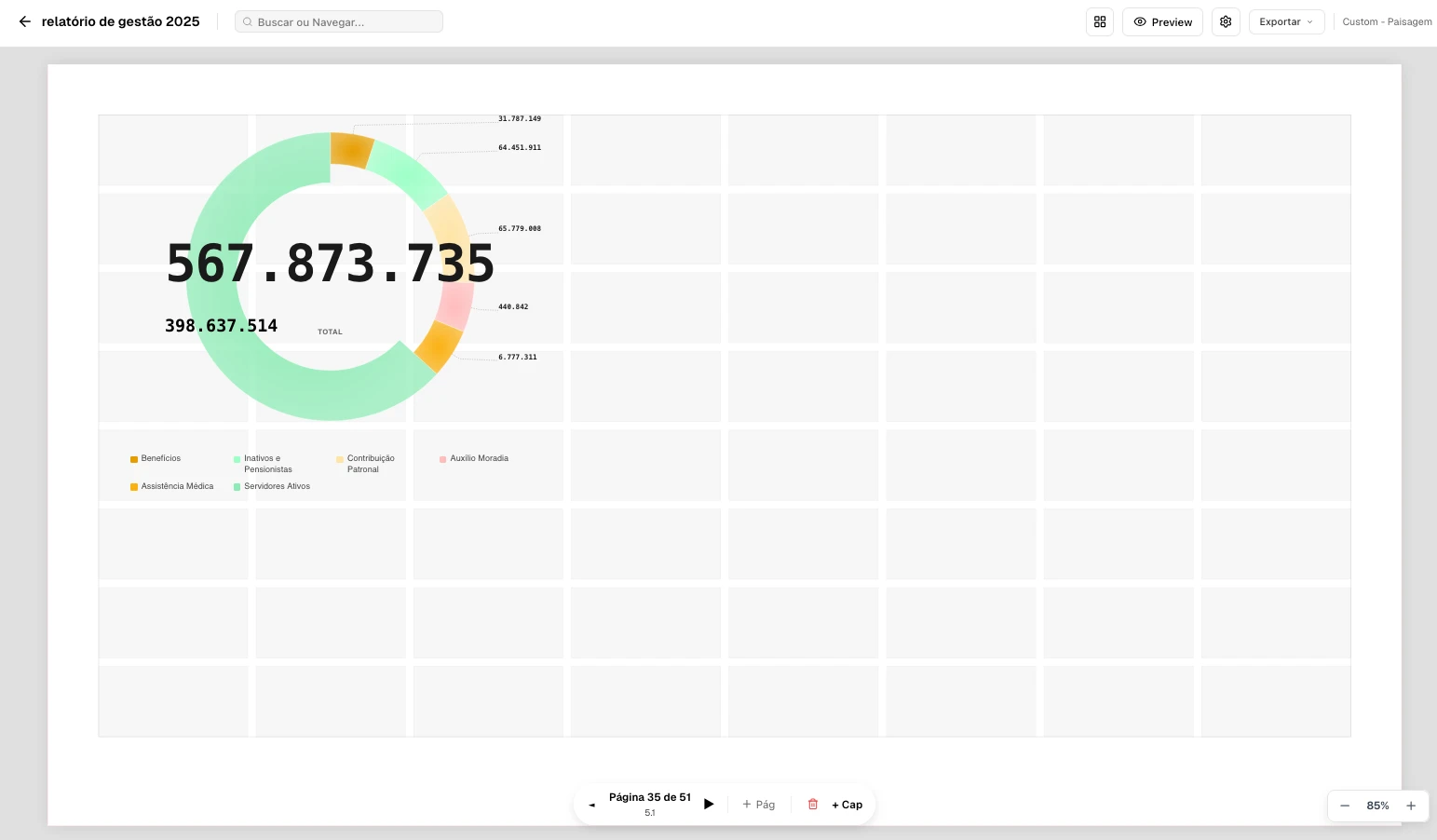
Modula is not an AI product in the narrow sense, but it is deeply connected to the same inquiry. It is a system for modular editorial composition and chart-based visual layouts, built around grids, canvases, chapters, export logic, and geometric correctness.
What interests me in Modula is that it expands the meaning of intelligence in product design. Not every meaningful form of intelligence needs to come from an LLM. There is also intelligence in layout constraints, in spatial reasoning, in export systems, in recommendation heuristics for chart selection, and in helping people structure complex information visually. Modula pushed me further into that territory where design systems, publishing workflows, and intelligent tooling begin to overlap.
It also reflects something important in my practice: I am interested in systems that make complexity operable. Sometimes that means a language model. Sometimes it means a layout engine that recalculates positions, preserves visual coherence, and gives users more control over dense editorial compositions.
Táteno
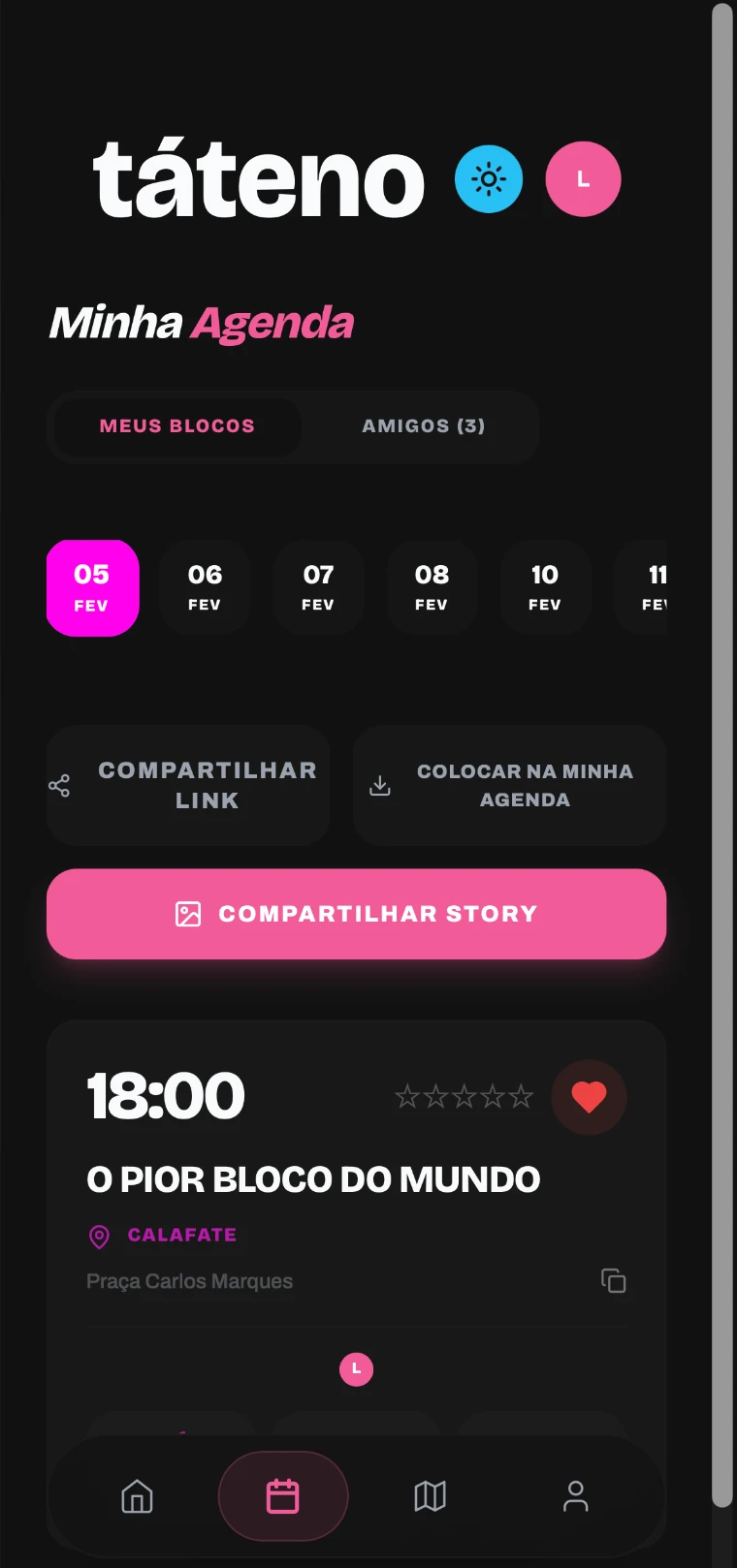
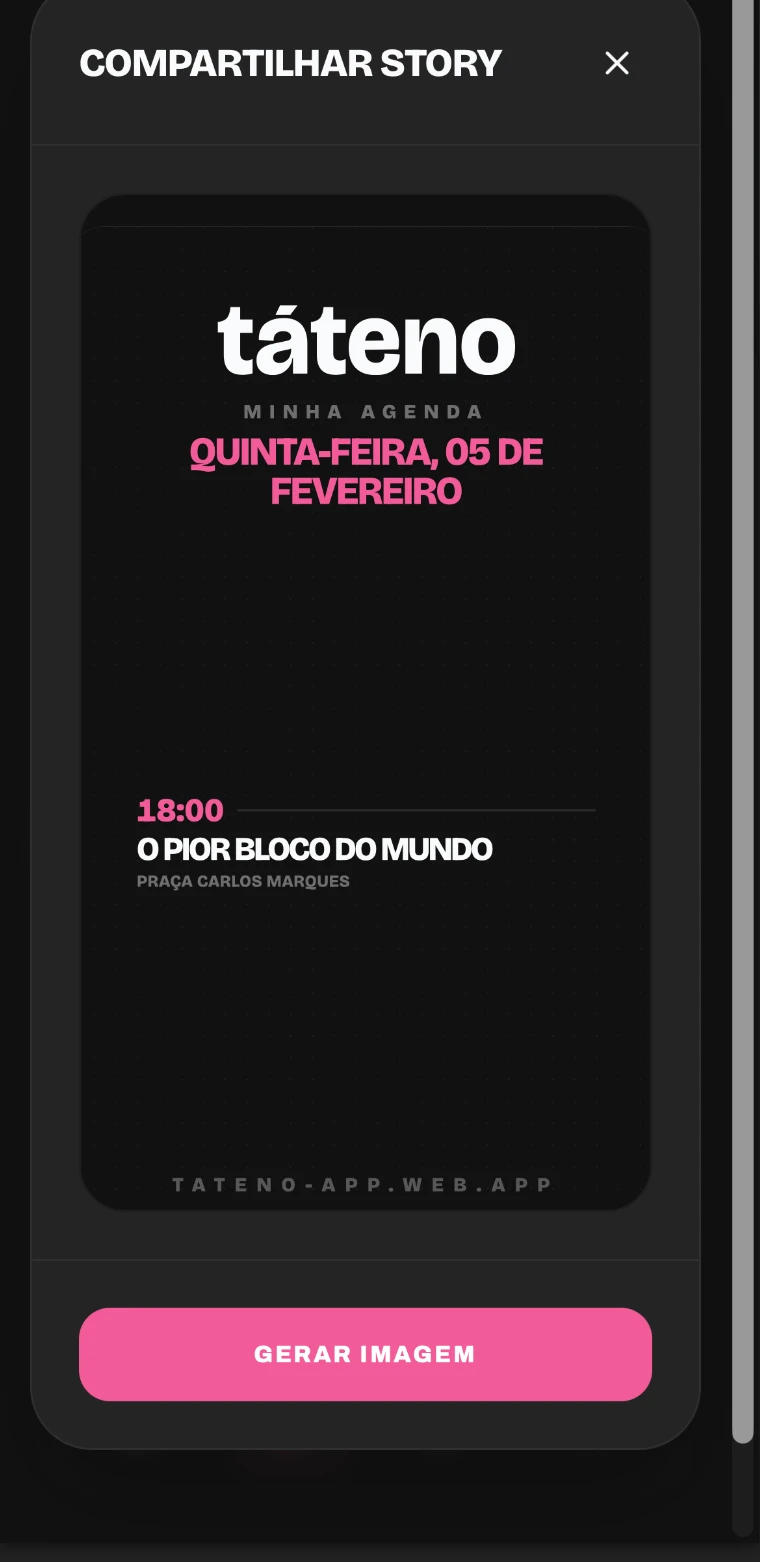
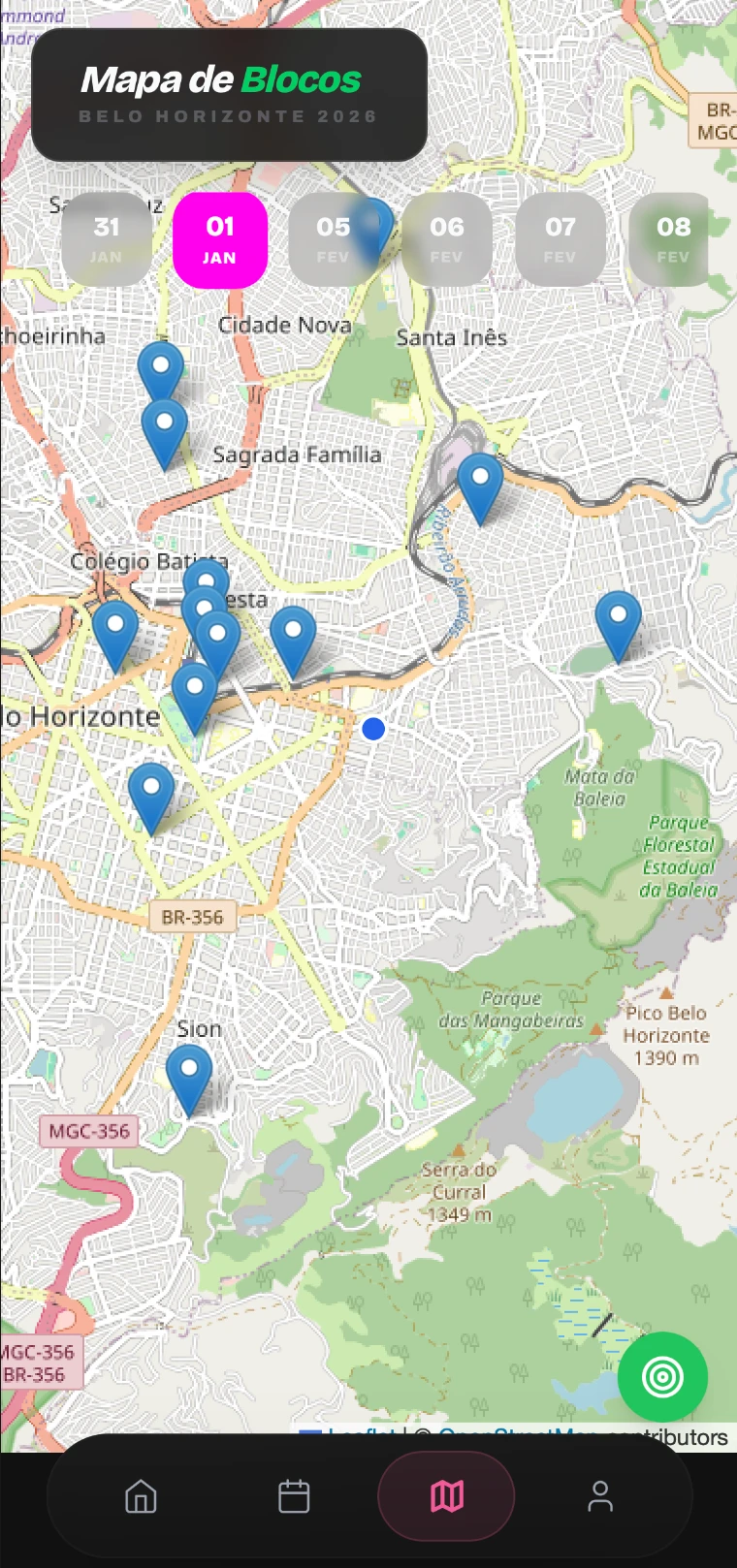
Táteno came from a very different need: social coordination during Carnival, where time, movement, and proximity matter more than permanence. The original idea was to make it easier to share user's Carnival plans with other people, while also creating an ephemeral tool for discovering nearby blocos during the days of the festival.
The product combines shared agendas, favorites, synchronization between friends, and a city map that helps people locate blocos around them in real time. What interested me here was not just utility, but temporality. Táteno is designed around a short-lived moment of intense urban movement, where the value of the interface depends on being instantly legible, mobile, and socially useful.
It is not a project about AI, and I think that distinction matters. But it belongs to the same body of work because it reflects the same discipline: building systems that reduce friction in chaotic environments. If Talvegue asks how technology can expand memory and discovery, Táteno asks how a digital product can support coordination, orientation, and shared experience inside a highly ephemeral context.
That kind of practical product work informs how I think about AI as well. It forces a constant return to latency, legibility, real-world behavior, and actual perceived value. In other words, it prevents "intelligence" from becoming an excuse for abstraction.
this portfolio
My portfolio plays a different role in this ecosystem. It functions not just as a showcase, but as an editorial layer where these projects can be contextualized through notes, essays, case studies, and reflections.
It also has its own CMS, which matters to me because it turns the portfolio into an actual publishing system rather than a static presentation layer. That means I can manage projects, notes, protected case studies, and site content through my own admin structure, shaping not only how the work looks but also how it is organized, updated, and narrated over time.
I have been using this environment to think in public about prompting, authorship, aesthetics, and the cultural limits of current AI interfaces. That matters to me because working with AI is not only about wiring APIs into products. It is also about developing language to critique, frame, and shape the technical moment we are living through.
The portfolio is therefore part of the work, not just a container for it. It is where prototypes, tools, and arguments begin to form a coherent body of thought.
Final Thought
If there is a common thread across these projects, it is this: I am less interested in AI when it tries to erase the subject, and more interested in it when it expands perception, memory, authorship, and the capacity to act.
Sometimes that means embeddings, synthesis, and contextual chat. Sometimes it means modular layout engines, export systems, or authoring workflows that make complexity more habitable. What ties the work together is not a single technology, but a recurring concern with mediation: how to build tools that help people think, make, and decide with more clarity rather than less.
That is probably the simplest way to describe what I have been doing with AI. Not chasing intelligence as spectacle, but building systems around it that feel more grounded, more usable, and more humanly coherent.