Pouppy
A financial product experiment that tested whether awareness can be built through friction – and found its limits.
What it is
A financial tracking PWA used as an experiment to test whether manual logging can increase financial awareness.
What I did
Designed and built the product end-to-end using AI-assisted workflows, defining the hypothesis and the system to test it.
Skills
Product thinking, hypothesis testing, service design, frontend architecture, Firebase backend design, AI-assisted system orchestration, interaction design.
Why it matters
The experiment suggests manual rituals do not create discipline, they amplify it when it already exists.
This is an Experiment, Not a Proven Product
Pouppy emerged from a recurring pattern. Financial tools often lead users into cycles of control followed by disengagement. People track intensely for a period, then stop interacting with their finances altogether.
This raised a different question. The issue might not be access to information, but the ability to remain in contact with it over time. If interaction becomes emotionally lighter, continuity might increase. From this, the product kept a single action at its center: manually logging each expense.
This case follows how that decision played out in practice.
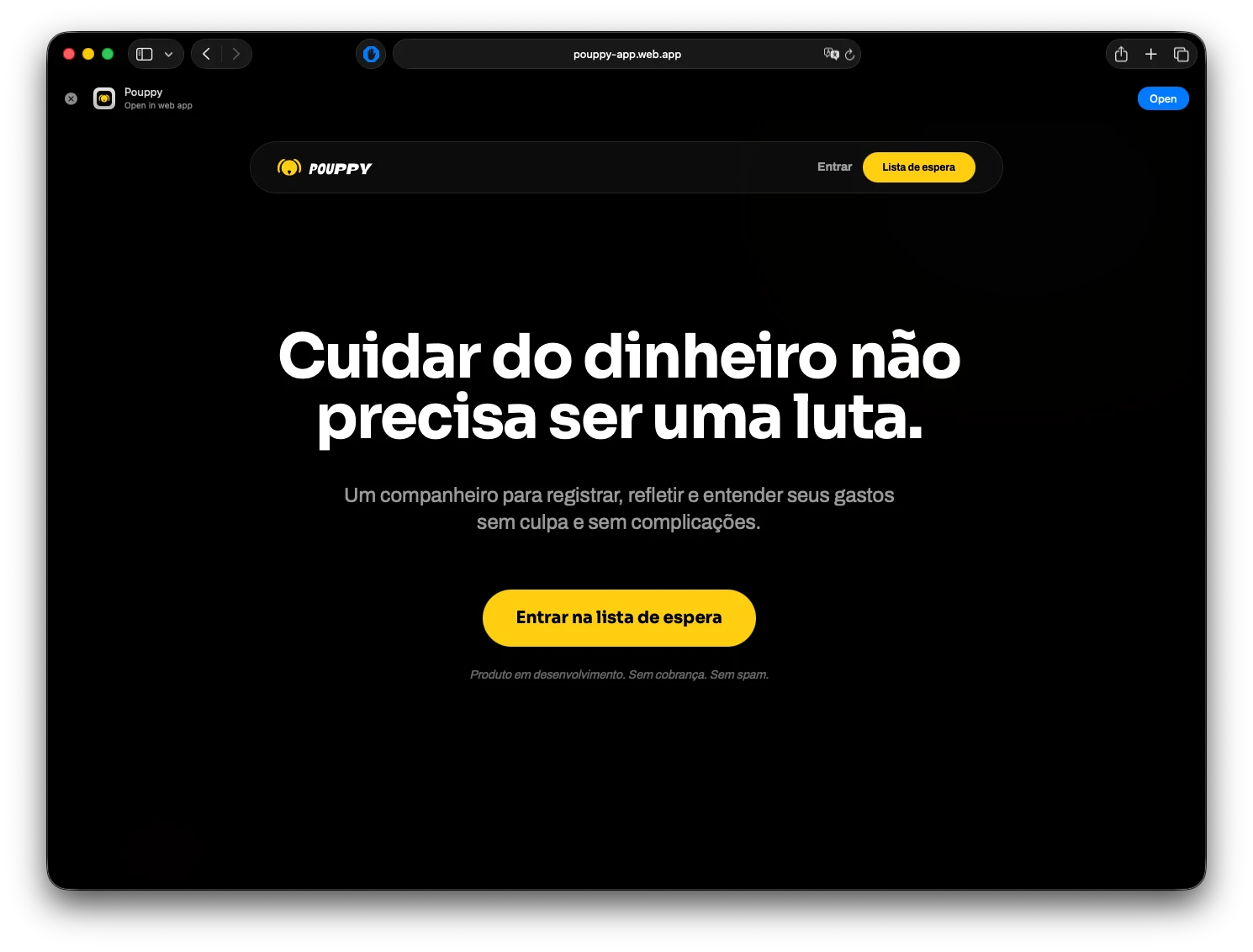
You can visit Pouppy and check it!
Access the appThe Hypothesis
The hypothesis focused on repetition as a mechanism for awareness. Instead of adding more data, the product aimed to make interaction easier to return to. Manual logging functioned as a structural element. Each entry acted as a moment of attention.
At the same time, this introduced a constraint. Repetition depends on sustained effort, and effort accumulates over time.
What I Built
I designed and shipped the product end-to-end, using AI as a core building layer throughout development. The system was constructed through orchestration of AI-generated implementations. Each iteration required validation of structure, logic, and interface decisions. This approach increased speed while shifting the effort toward decision-making rather than execution.
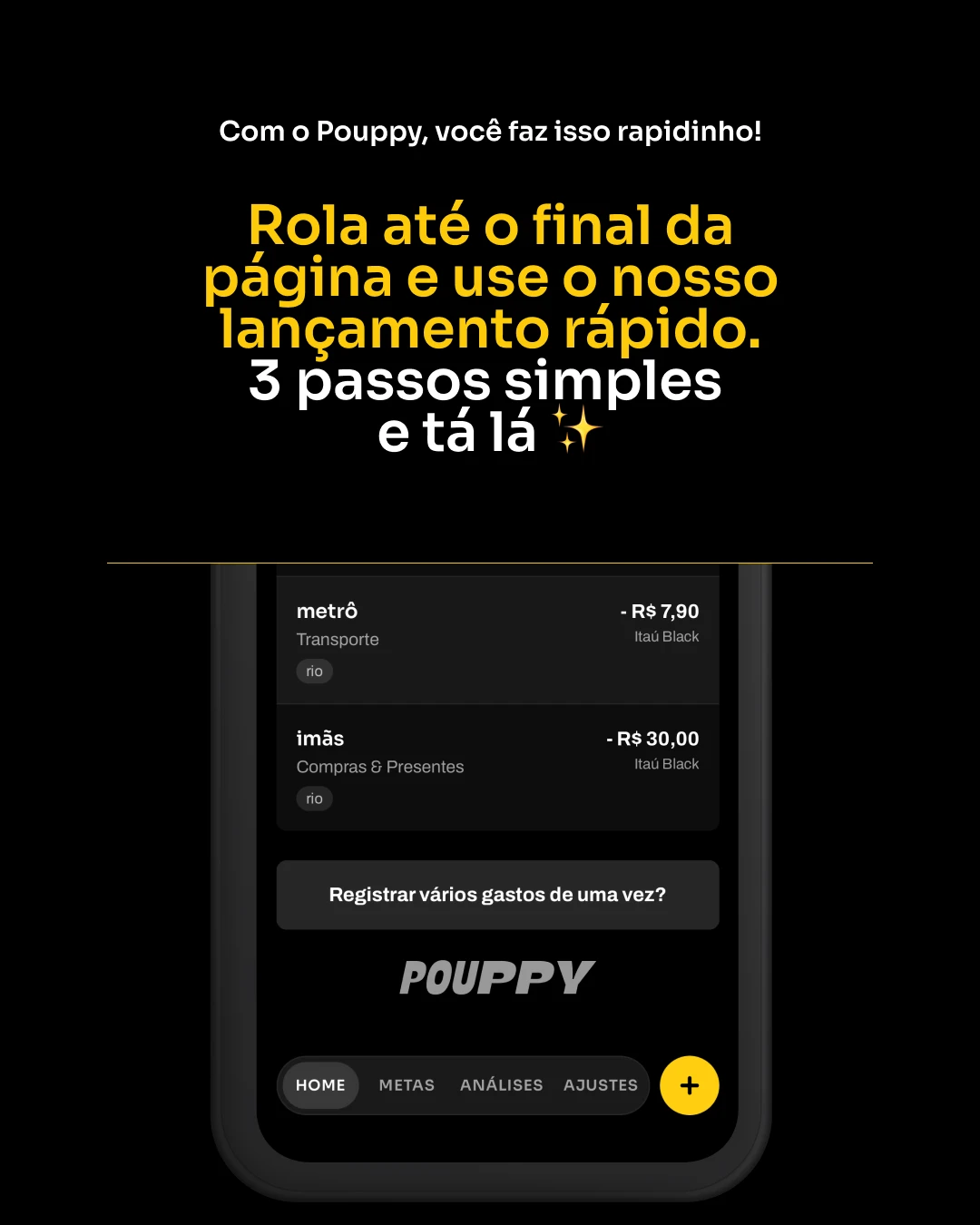
The product runs as a PWA. Firebase supports authentication and data persistence. Transactions are stored in Firestore with a flexible structure, allowing the model to evolve. Cloud Functions handle background categorization. The interface, built with Tailwind and motion feedback, aims to reduce friction during logging.
Manual input introduced variability. The system needed to absorb inconsistent entries while keeping interaction simple.
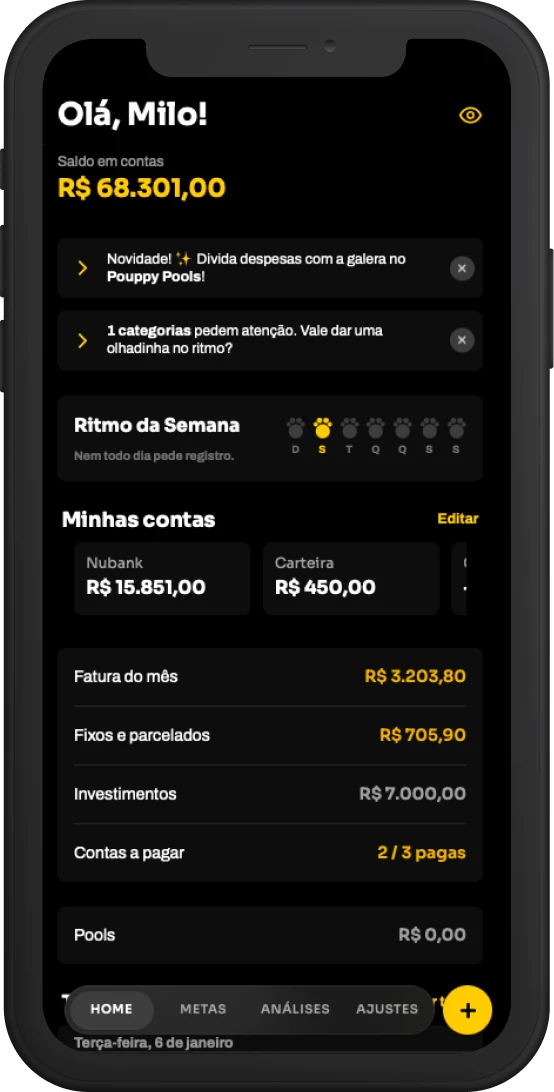
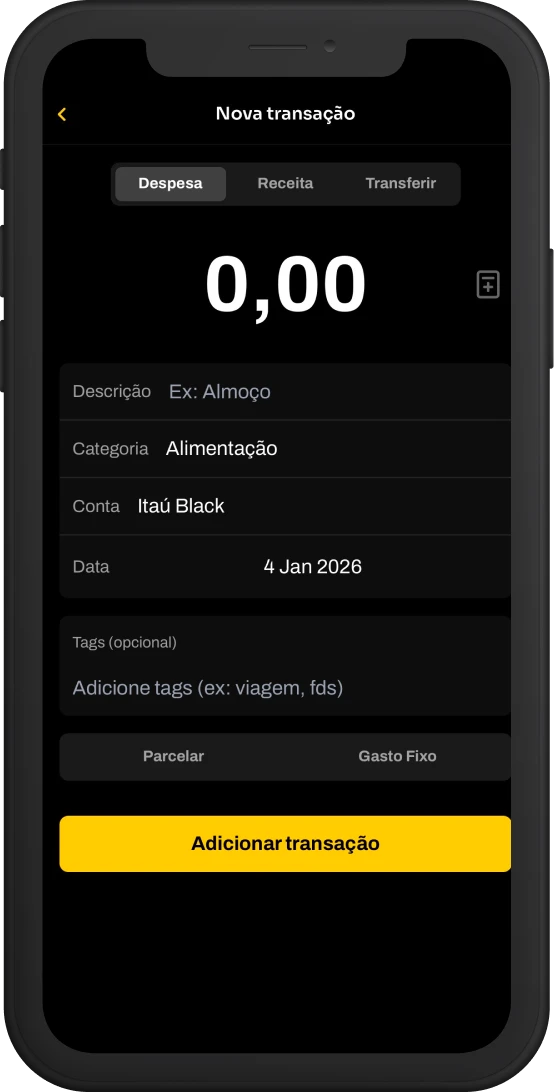
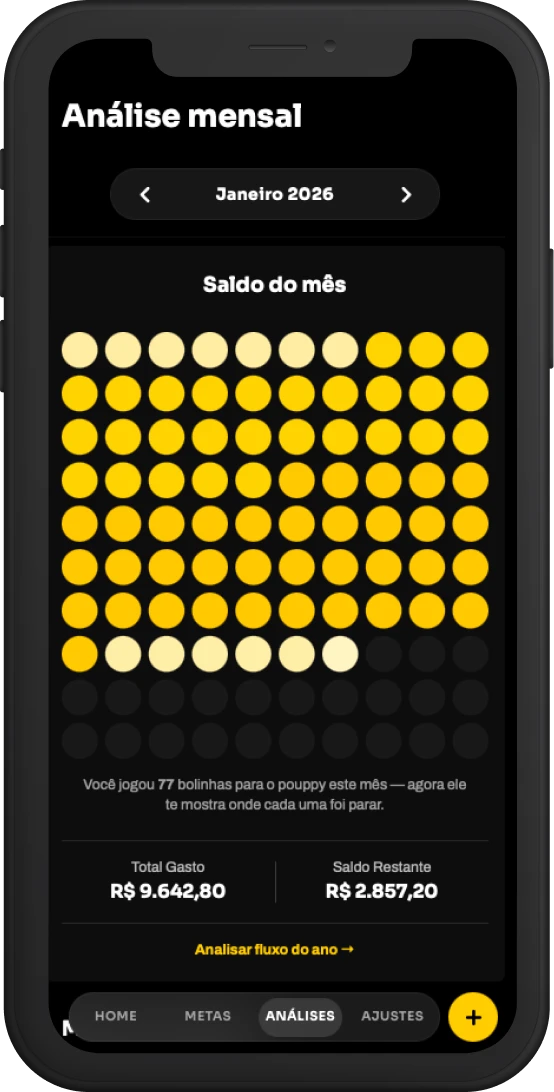
Do you want to see a demo?
Miro's profileCore Product Decision and Constraint
Automation stayed out of scope due to both economic and product considerations. Open Finance integration requires external providers and ongoing cost. At the same time, keeping logging visible to the user aligned with the intention of sustaining awareness.
As a result, the product operates with an explicit trade-off. It requires effort and attempts to make that effort acceptable over time.
What Happened in Reality
Over roughly six months, the product reached over 100 users in total, with around 50 active in the current database.
A pattern appeared early. Many users engaged for about one week before stopping. This is based on consistent observation rather than precise measurement.User behavior diverged depending on prior habits. Those already tracking finances, often through spreadsheets, adapted quickly. In these cases, Pouppy replaced an existing system with a more fluid interface.
One example illustrates this dynamic. A user transitioned from spreadsheets, used the product consistently, paused after gaining control, and later returned. This suggests that usage may follow cycles rather than remain continuous.
For other users, the action did not sustain. Logging remained an intention without becoming a habit. After stopping, most users did not migrate to another tool. They returned to not tracking.
Where the Hypothesis Breaks
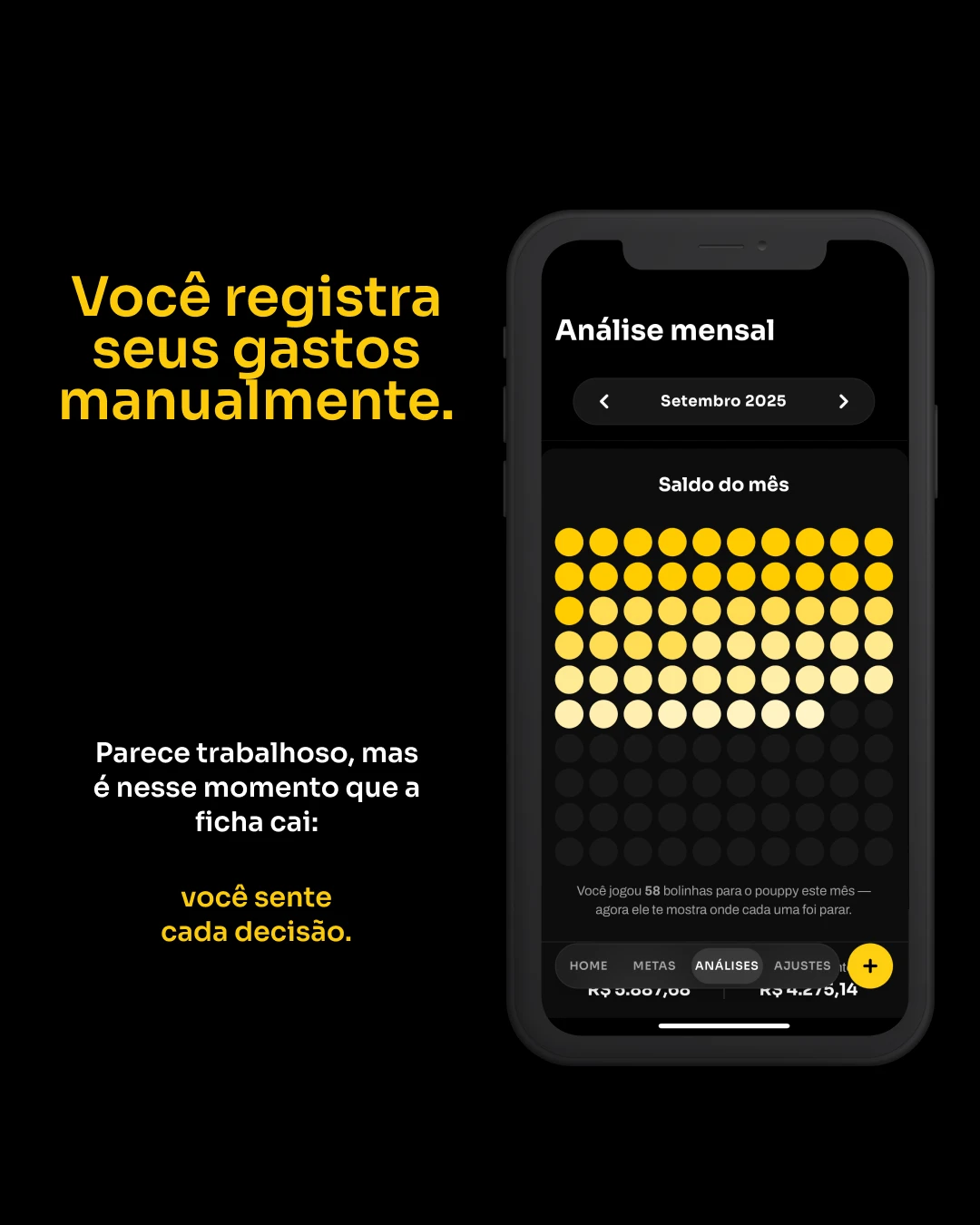
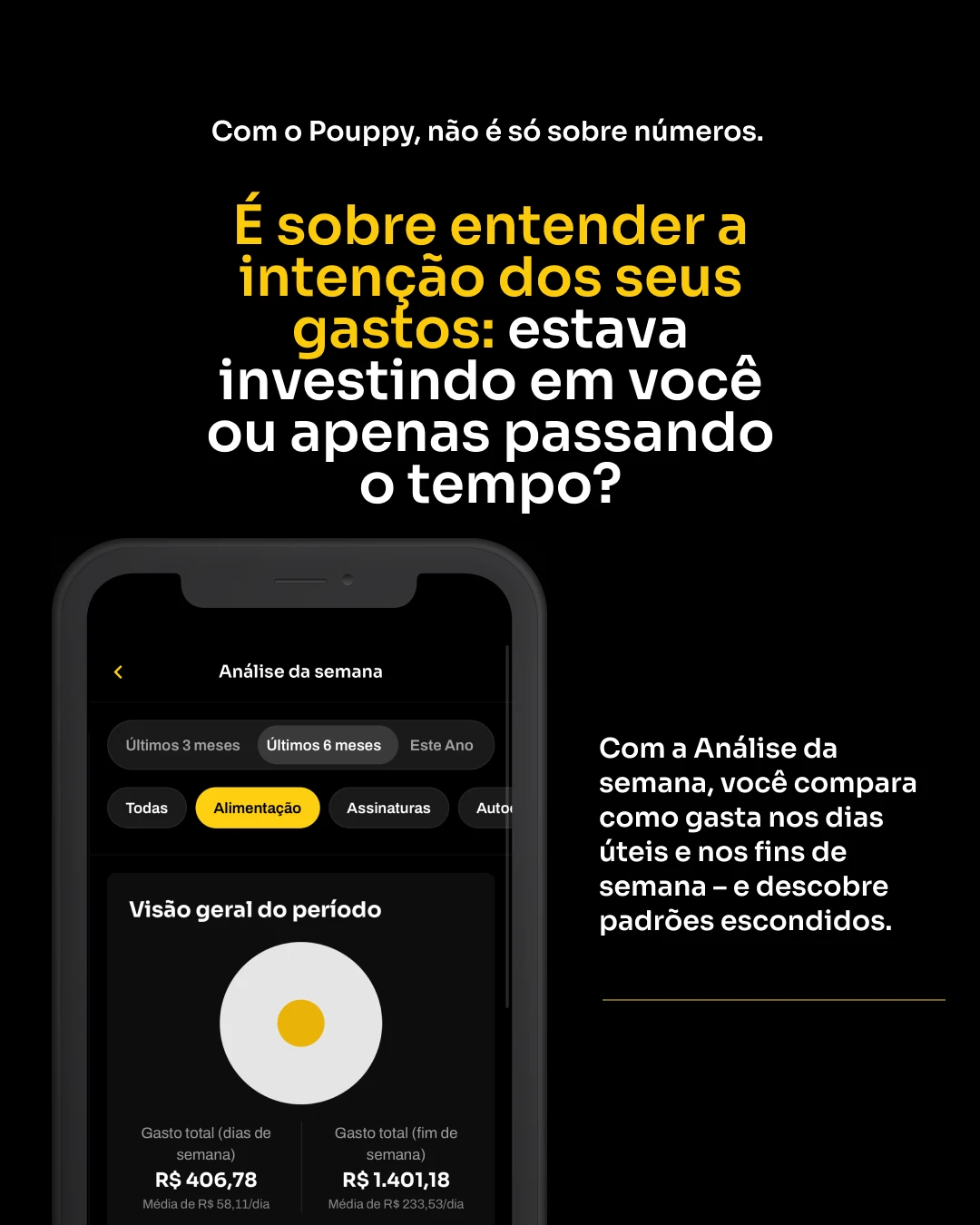
To improve engagement, I introduced additional features. The dashboard expanded to include multiple layers of interpretation. It incorporated a 100-dot system to represent budget distribution, intention-based goals, commitment tracking for installments, behavioral comparisons between weekdays and weekends, and longer-term views of spending.
The expectation was that increased visibility would strengthen engagement. Engagement did not change. Instead, the added layers introduced more complexity. Users needed to interpret more information while maintaining the same logging effort. This likely increased cognitive load without reducing the core friction.
In parallel, I explored a social mechanism through a feature called Pouppy Pulse. Inspired by shared expense tools, it aimed to create network effects through collaborative use. Adoption remained stable. Invitations did not scale, and usage patterns did not shift.
These attempts clarified the constraint. The limiting factor lies in the required behavior, not in missing features. During this phase, one signal became clear. Feature expansion did not influence growth. The core interaction defined the ceiling of engagement.
Research also had limits. Early insights came from secondary sources, such as online discussions. Direct user conversations were limited, which reduced visibility into what would actually trigger behavior change.
What This Suggests
The product operates effectively when financial awareness already exists. In this context, it enhances behavior rather than creating it.
Another pattern becomes plausible. Engagement may be cyclical. Users engage when seeking clarity, disengage when they feel in control, and return when that control weakens. These interpretations are based on qualitative signals.
What Worked and What Did Not Hold
Emotional framing influenced interaction. Users experienced less resistance when opening the app. The tone of feedback reduced judgment and supported re-entry. Returning after a gap felt acceptable, which removed a common barrier found in other financial tools.
At the same time, these improvements did not translate into sustained engagement. Manual logging remained difficult to maintain for most users. Retention stayed limited, and the main differentiator constrained adoption at scale.



What I Learned as a Builder
Behavioral change requires structures that support repetition over time. Friction can support attention within certain limits. Beyond those limits, effort accumulates and reduces engagement.
AI accelerated development while increasing the need for judgment in defining what should be built. Economic constraints shape product direction alongside product intent.